Have you ever noticed and thought how we ask for signs from the universe, but when they finally arrive, we get frozen? We say we want clarity, but when the universe whispers back to us, maybe we know that these signs might ask us to change, to trust, or to
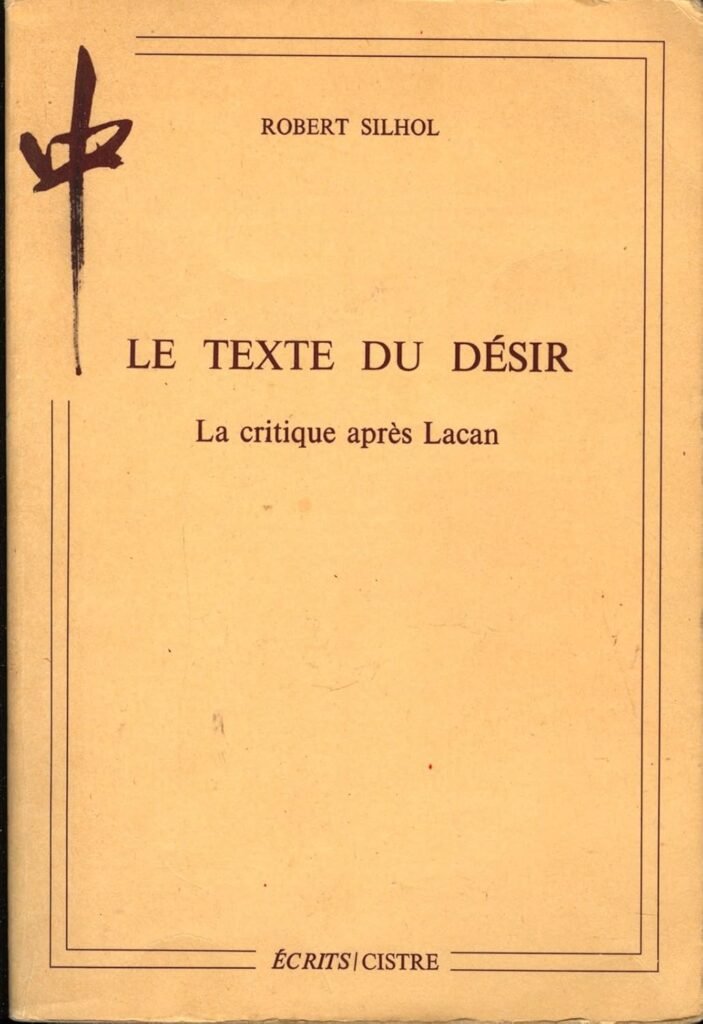
The age-old question of whether we possess a soul or whether we are simply chemistry, energy, and flesh has puzzled generations for centuries. It has been answered by science, religion, and philosophy, but still, it persists. Perhaps the solution lies somewhere in between reason and faith. In this regard, YES? by
Curiosity has always been one of the strongest drivers of progress, shaping discoveries, inventions, and entire civilizations. Yet the same force that pushes humanity toward understanding can also unsettle it. Human curiosity often walks a fine line between wonder and disruption, especially when what is discovered challenges established beliefs or
We have all experienced that eerie moment of modern life, you type a complex thought into a prompt, and a machine responds with such clarity that it feels like someone is looking back at you. It is a narrative of profound technological evolution that shifts the boundary between code and
Imagine this: Aliens finally reach out to us. But instead of a message about their world, their technology, or their plans for Earth, the first alien message is something far stranger… a message about ourselves. What would we do if we were confronted by a message that reflects our unconscious desires,
Sometimes it hits us in the middle of a crowd like that small but aching thought that even surrounded by people, you still feel alone. You smile, you speak, and you connect, too, but deep down, there is a whisper that presents and asks, “Does anyone really understand what’s inside
Most of us don’t realize how deeply we crave reassurance until it arrives in a form we cannot recognize. A message appears, calm and deliberate, offering comfort before we have even named the danger. And instead of easing the mind, it creates a quiet unease, as if something within us
Human beings are wired to make sense of things. We categorize, analyze, and rely on abstract thinking to create order out of chaos. It gives us confidence, even a sense of power. But that confidence often rests on an illusion of control, one that quietly assumes the universe will always
We have all encountered the sort of people at one point who correct everyone at the table. Now, this could be anyone from a colleague who turns every discussion into a quiet competition to an individual who seems less interested in exchanging ideas and more focused on proving they are
Human history shows that division often grows where communication breaks down. When people stop listening, assumptions take over. Questions like how do human beings connect with each other and why misunderstandings escalate into conflict are as old as humanity itself. At the core of these struggles lies the importance of
Silence has always carried two faces: one that hides and one that reveals. In Robert Silhol’s YES?, silence becomes more than the absence of sound. It becomes the loudest truth in the room. The meaning of silence shifts constantly in his story, just as it does in our lives. Is it avoidance?
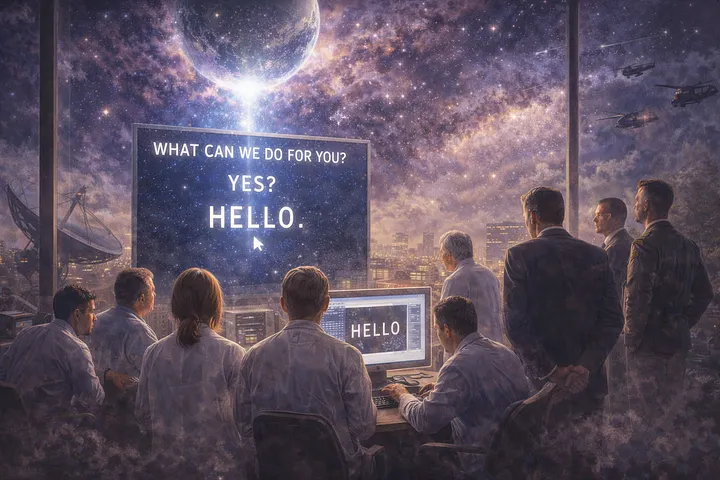
It began not with a spaceship or a blinding beam of light, but with six simple words flickering across a computer screen: “WHAT CAN WE DO FOR YOU?” Moments later, another line appeared… “YES?” In Robert Silhol’s haunting novel YES?, this brief transmission becomes the most extraordinary event in human history, our imagined